
As I mentioned last week, I’m now alternating working from home and at work. While this has presented some unique challenges with social distancing, I’m getting used to the new routine. What’s taking a little more time to adjust to are some changes in how I spend my days. Over the last six months, the long stretches of time spent sitting and working have slowly but steadily increased as the things that used to have me moving around the building (meetings, training sessions, going to the coffee room, etc.) were replaced with Zoom sessions, increased emails, and my desktop coffee maker.
In recent weeks, my training schedule has gotten back to something close to pre-pandemic days, but there’s a huge difference in how that plays out now. Before, I worked in person with groups of people, often with reference slides projected on a nearby screen, and I was constantly in motion, checking in with individuals and small groups. Now, I sit in my chair and interact through the computer. One day last week, I spent a total of ten hours in my home office and only got up four times.
So I’ve been thinking a lot about the importance of unshackling from the desk, both at home and in the office. Here’s what I’ve come up with:
Get Moving

Working at home requires a lot less movement, because even just reaching my desk at work involves getting in the car, walking through the parking lot, going to the elevator, etc. Inside, everything is just a little more spaced out. Even heading down the hall to the restroom or to refill my water bottle requires more movement than when I’m home. Even at work, though, I’m sitting around more than usual (see above). Given that walking, even a little bit, has enormous health benefits, it’s something we don’t want to lose out on. So, it’s important to build short breaks into the day. Even a few laps around the room a few times a day gets our bodies engaged and contributes to our overall health.
Stretching can be done in short spurt so you get the benefits of moving without being away from your desk too long. If you, like me, are nearly constantly monitoring emails, online discussions, or Zoom sessions, try these simple stretches that you can do without going anywhere. Also, do some standing. Several of my colleagues swear by standing desks, although there are some mixed opinions about how long you should use them. At a minimum, health experts agree that we should stand up at least a few minutes every hour to help with circulation, blood sugar levels, avoiding muscle cramps, and gaining other health benefits.
Watch Out For Your Eyes
In the old days, there were more distractions, location changes, and in person interactions that pulled us away from our screens. These days, the computer is the gateway to just about everything. If you’ve had an increase in tired eyes and headaches, you’re not alone-many of us have been battling eye strain, a nasty byproduct of too much sustained screen time. Luckily, there’s an easy way to fight back: use the 20/20/20 rule. Every 20 minutes, look at something 20 feet away for 20 seconds. This simple trick has an enormous, and pretty much immediate, positive impact. In fact, if you’ve been online for more than twenty minutes, take a quick break from reading this post and look away right now.
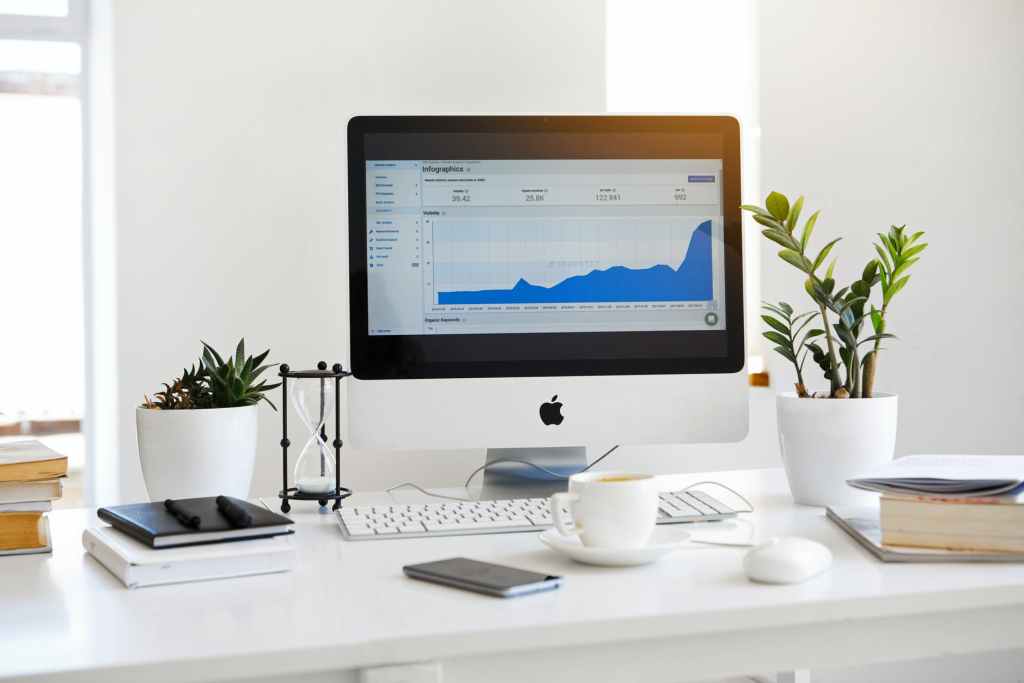
In addition to time, it’s important to be aware of blue light. This type of light travels the deepest into our retinas, and has been linked to cumulative damage. In the more immediate sense, it contributes to eye strain and headaches. Many devices have a built in option to filter blue light, but if yours don’t, consider either screen covers or glasses that filter it for you. I switch screens so often that the glasses work best for me, but my friend Mike wears glasses for his vision and so had gotten a screen cover for his monitor. You can also get prescription lenses that include blue light filtering. Blue light protection has immediately noticeable benefits. A while back, my mom started to complain about eye strain, so I loaned her my extra pair of blue light glasses over a weekend to see if they helped. It made such a difference for her that I told her to keep them and bought myself another spare set.
Watch Your Habits

One of my friends recently joked that she was fighting “the death of a thousand snacks”. She’s still working from home full time, and has realized that it’s a thousand times easier to walk to the fridge or pantry to get a snack than it is in the office (rummage for change, leave the desk, go down to the vending machine…). I’ve discovered that being back at work still involves a risk of unhealthy eating these days, because many of us have stocked up on non-perishable munchies in our offices. Fighting the snacking impulse can be really draining, especially if you’re feeling bored, lonely, or stressed (three hallmark 202 emotions). Instead of trying to eat less, I’m changing the options on hand, choosing veggie chips, granola bars, and fruit. Changing my grocery list has definitely started to change my day to day food habits.
Finally, be aware of your posture. Over the course of the pandemic, half of the people I know have started turning into bananas because of how much they’re hunching, and the other half are leaning back on their couches with their head awkwardly propped forward. Both of these postures put extra strain on the back and neck, and this can lead to short and long term. Try these tips for good posture, and be sure to change position (like standing, stretching, or walking) to prevent stiffness. If you’re experiencing a lot of stiffness and soreness, you might consider investing in a new chair. I have a great chair at work, but less so in my home office. I’ve been alternating between two, because one is more comfortable and better supports my posture, but the other allows me to swivel between two computers and an additional monitor. I think it’s probably time to get something that does both.

What’s your level of “sit and screen” time these days? How are you managing it?
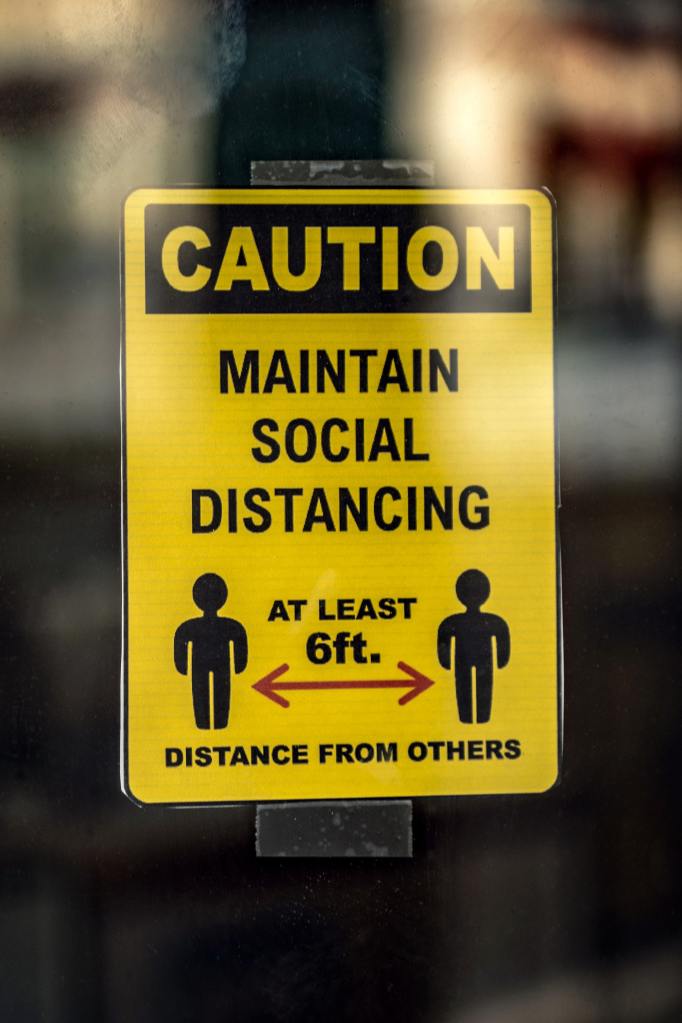



 Meanwhile, my organization has implemented a lot of new policies and procedures, including a lot of new changes to the work from home process and a serious increase in oversight and monitoring. This has caused a good bit of confusion and a decent amount of frustration (particularly among people who have been meeting their objectives while working from home, because they feel like they’re being undeservedly punished). My immediate supervisor,
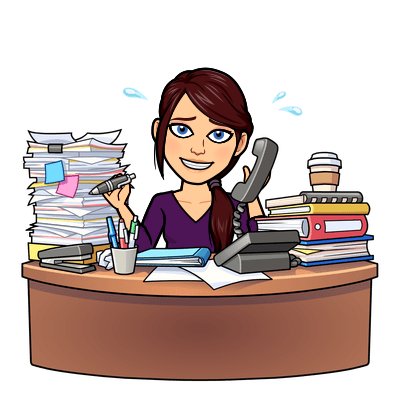
  My personal workload increased exponentially this week. A lot of my projects have reached critical stages, and there have been several new short-term projects assigned to me. Some of the aforementioned procedure changes have created the need to redo some previous work, and added new tasks that I hadn’t been anticipating. One of the most difficult situations I’m facing is that I’ve been moved up the chain on one particular project, and have been tasked with implementing decisions that I didn’t make. These decisions impact almost everyone in the organization, and people are really, really unhappy about them. I am very aware of how unhappy they are, because I have suddenly become the “face” of the project, so the day I took over my inbox was flooded. I spent most of yesterday catching up on replying to those messages while simultaneously getting up to speed and preparing to move forward.
 By the end of the day on Friday, I was more stressed than I’ve been in a long, long time, and I was frustrated with myself. The thing is, usually cascading workstorms is where I thrive. I’m a crisis-managing, priority-setting, marathon-working, we-can-do-it overachiever, and for my entire life I’ve been at my absolute best when the challenge seems insurmountable (see



 In the conversation with my friends, one lamented that she has no idea what her boss is doing, except sending emails that increase expectations on her and her colleagues. “I’m not saying he isn’t working,” she said, “but I have no evidence that he is…which makes me wonder.” It’s harder to lead by example from a distance, but if someone is able to demonstrate that they’re working hard, it encourages others to do the same.



 In my early twenties, my roommate and I both came down with a terrible flu. She had a huge collection of feel-good romance novels, and since I had a lack of new reading material in that pre-Kindle age, I picked one up and started reading. During the week we were home sick, I read two of those books every day. When I recovered, I wasn’t really interested anymore. The next time I got sick, though, I dug into my roommate’s DVD collection and spent a couple days watching rom-coms. The pattern has continued-for some reason, when I’m really under the weather, romance becomes my guilty pleasure. This past week, I spent several days sick in bed (recovered now, thankfully). Partway through the illness, my friend Mike asked me how I was doing, and I responded by telling him what I was watching on Netflix (and because he knows me well, that told him all he needed to know about how I was doing).
  To use an absolutely extreme example, if your guilty pleasure is drug abuse, that is a problem. You are harming yourself and others by taking an addictive substance, and odds are you are going to spend far too much money on it. For a less extreme example, let’s say your guilty pleasure is video games. Those have become pretty acceptable in recent years, so why do you feel guilty about it? Is it because you’re in a situation where you are overdoing it, to the neglect of family, friends, and work? If that’s the case, any guilt you feel makes sense, because you probably need to adjust how you spend your time until you’ve reached a balance.
 The other problem is negative perception. Perhaps your hobby is viewed as being immature, or not being serious enough. Maybe it’s low-brow entertainment, or, like in my case, it doesn’t fit into your ordinary life or self-concept. Maybe you, or others, see it as selfish. That last one might really trip you up, because you feel like you should have taken the two hundred dollars you spent on getting your hair done and donated it to charity, or maybe you think the two hours you spent watching a movie could have been better spent on upgrading your next presentation at work. However, there’s nothing wrong with spending time and money on something that makes you happy.
 Most of the time. I am the opposite of ashamed of my love of cheesy 80’s horror films. However, I’m very uncomfortable telling people how much money I spent on any kind of salon or spa treatment, and, as previously mentioned, I always feel like I have to justify a foray into the romance genre. Talking about your interests and activities is your call. If you do, try to avoid the knee-jerk reaction to include a de facto apology (something I’m going to be working on in the future). It’s possible that someone will tease you, but if they do so in a way that’s fun and not hurtful, enjoy the camaraderie. On the other hand, if you have legitimate reason to believe that someone will judge you, or diminish your pleasure or something, don’t tell them about it.





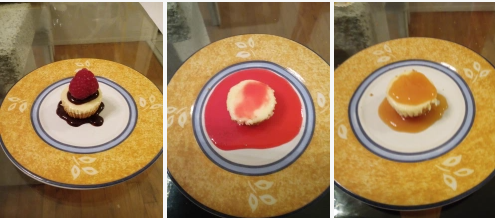
 One note about ingredients and prep: I faced an unexpected snag with the mini muffin cups. I’ve been having my groceries delivered since the start of the pandemic, and while I’m sure the stores have this item, I wasn’t able to order it online (I couldn’t get full sized either). So I ended up ordering them from Amazon, which delayed my baking for a couple of days.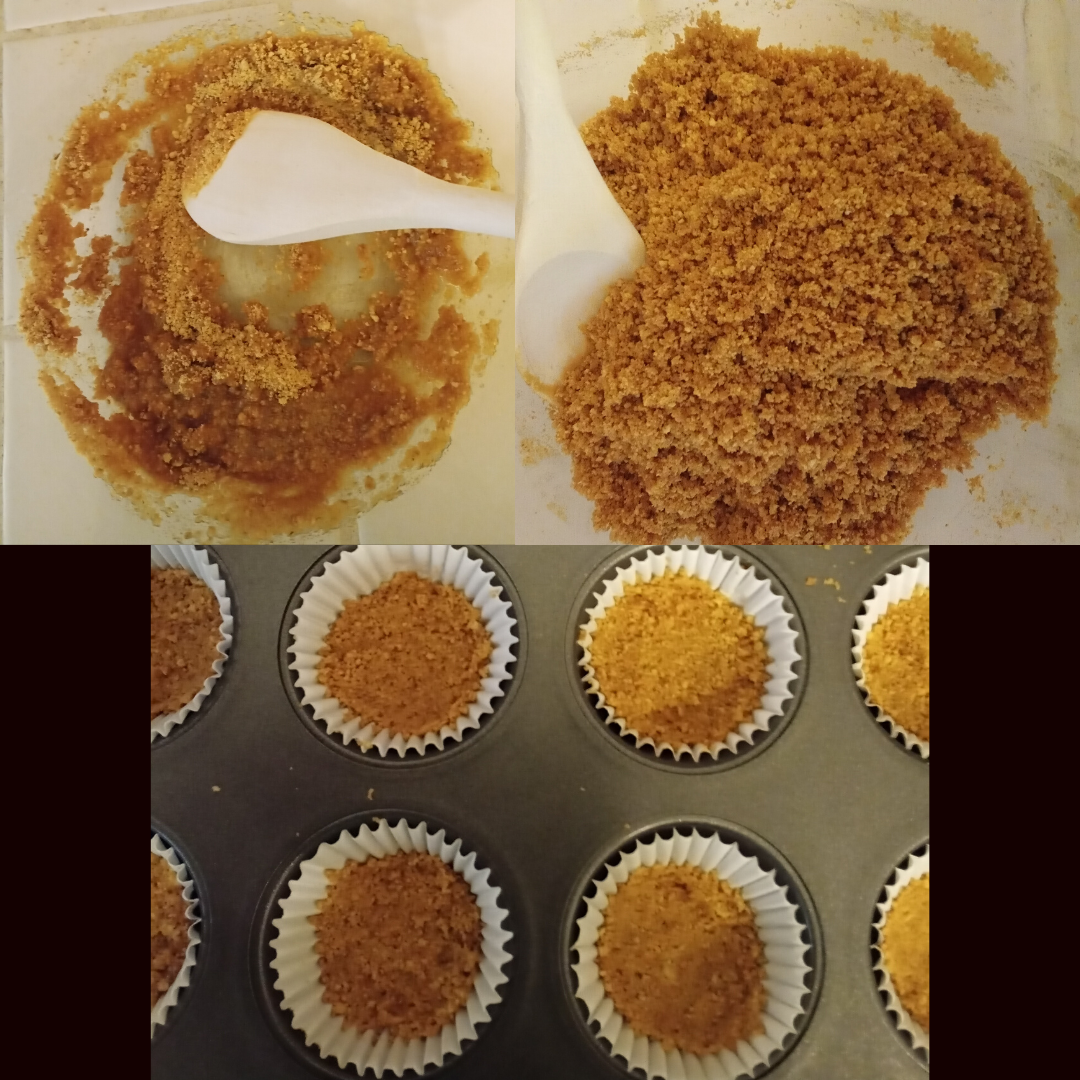

 Twelve minutes in the oven, ten minutes in the pan, then…about an hour on the rack, I think. I got a little distracted while waiting for them to cool (I had a new book), so I’m not entirely sure how much time passed. When I remembered to check, they were ready to chill in the fridge.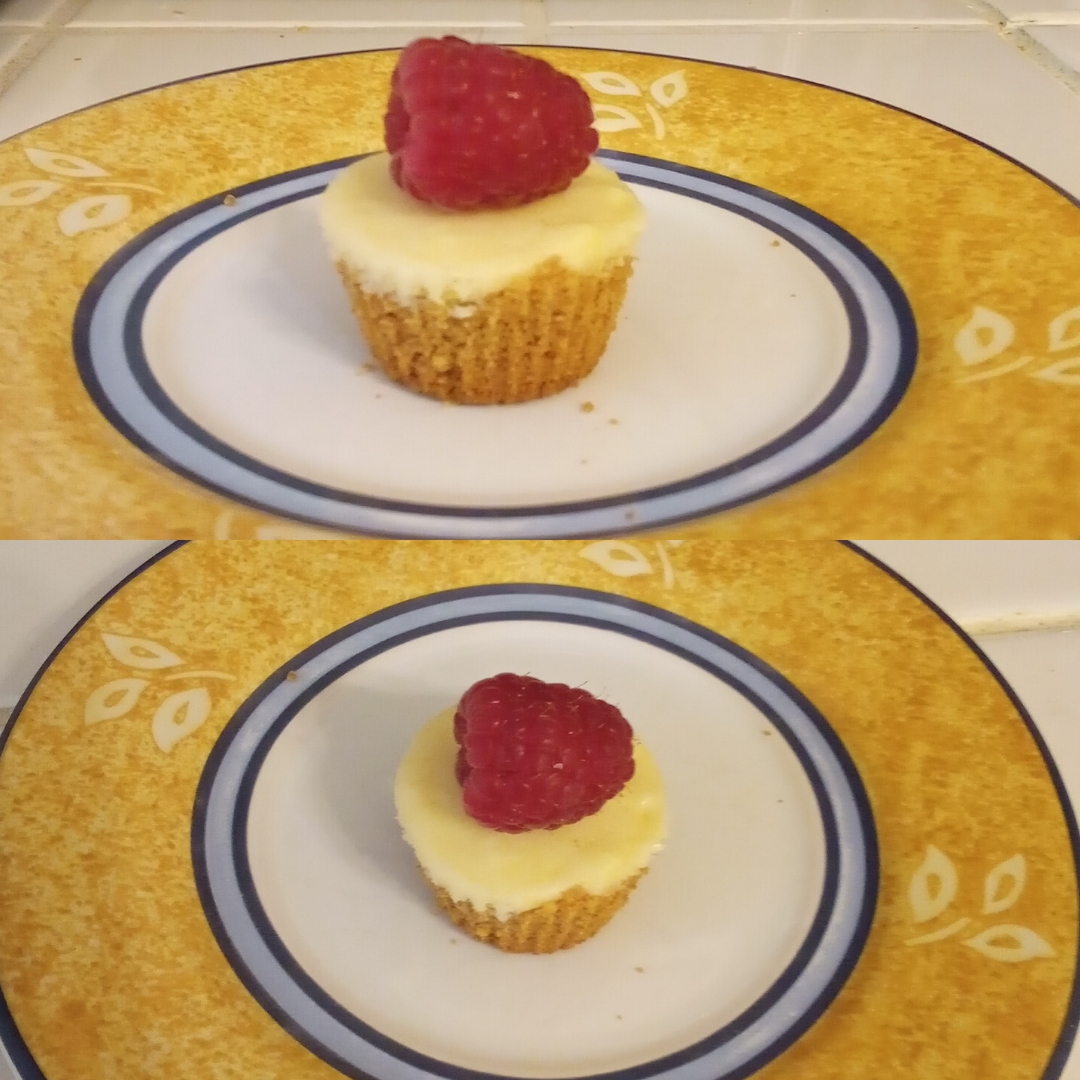


 Amanda Cade